

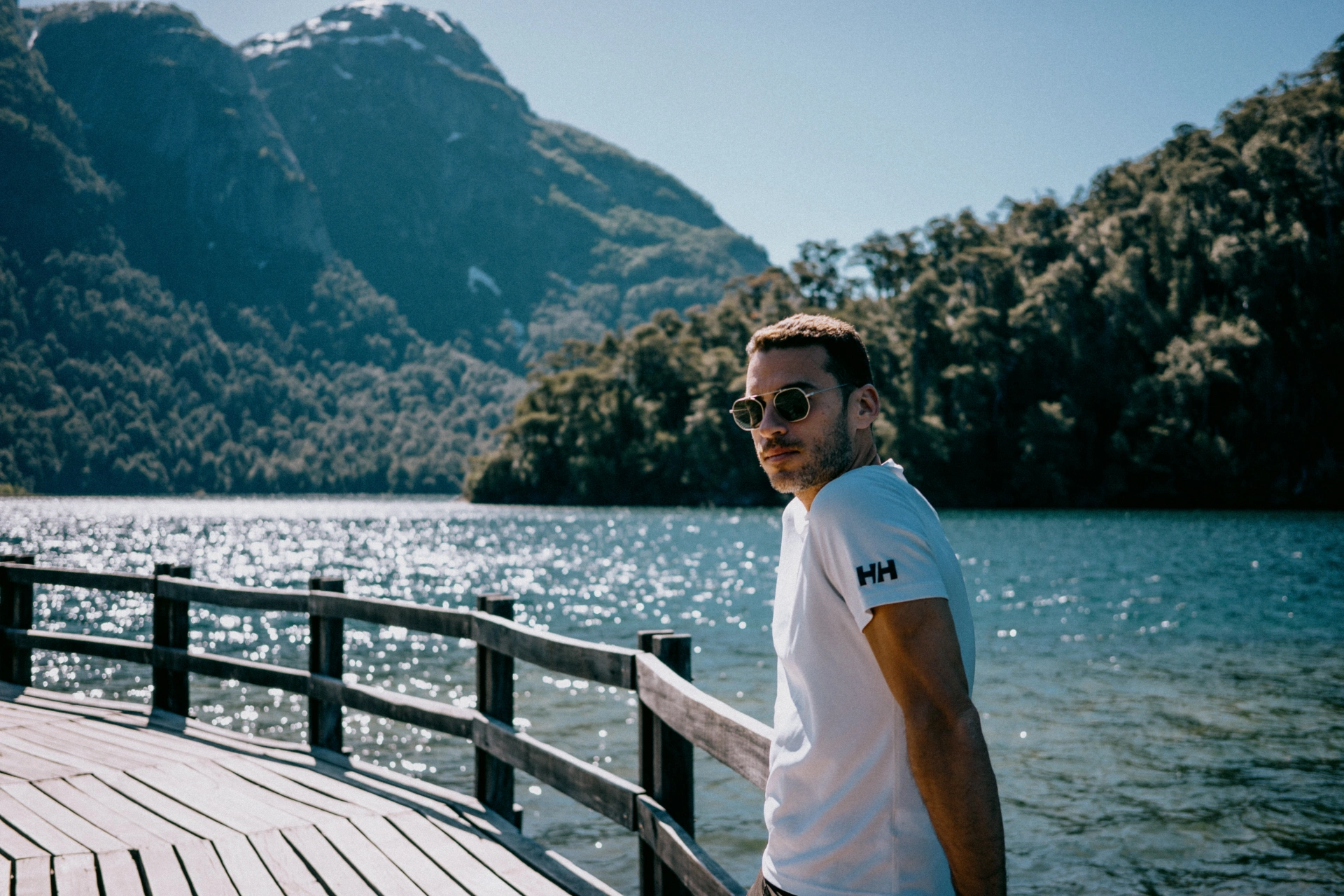
Puerto Blest doesn’t feature in the guidebooks as one of the places you really have to see in Patagonia. Having been, though, I have very little doubt that it absolutely deserves to.
A lake port on the western shore of Lake Nahuel Huapi, Puerto Blest has one quirk that makes it rather special: you can only get there by ferry. That keeps it half-hidden, and it sits in one of the most unusual corners of Patagonia to boot.
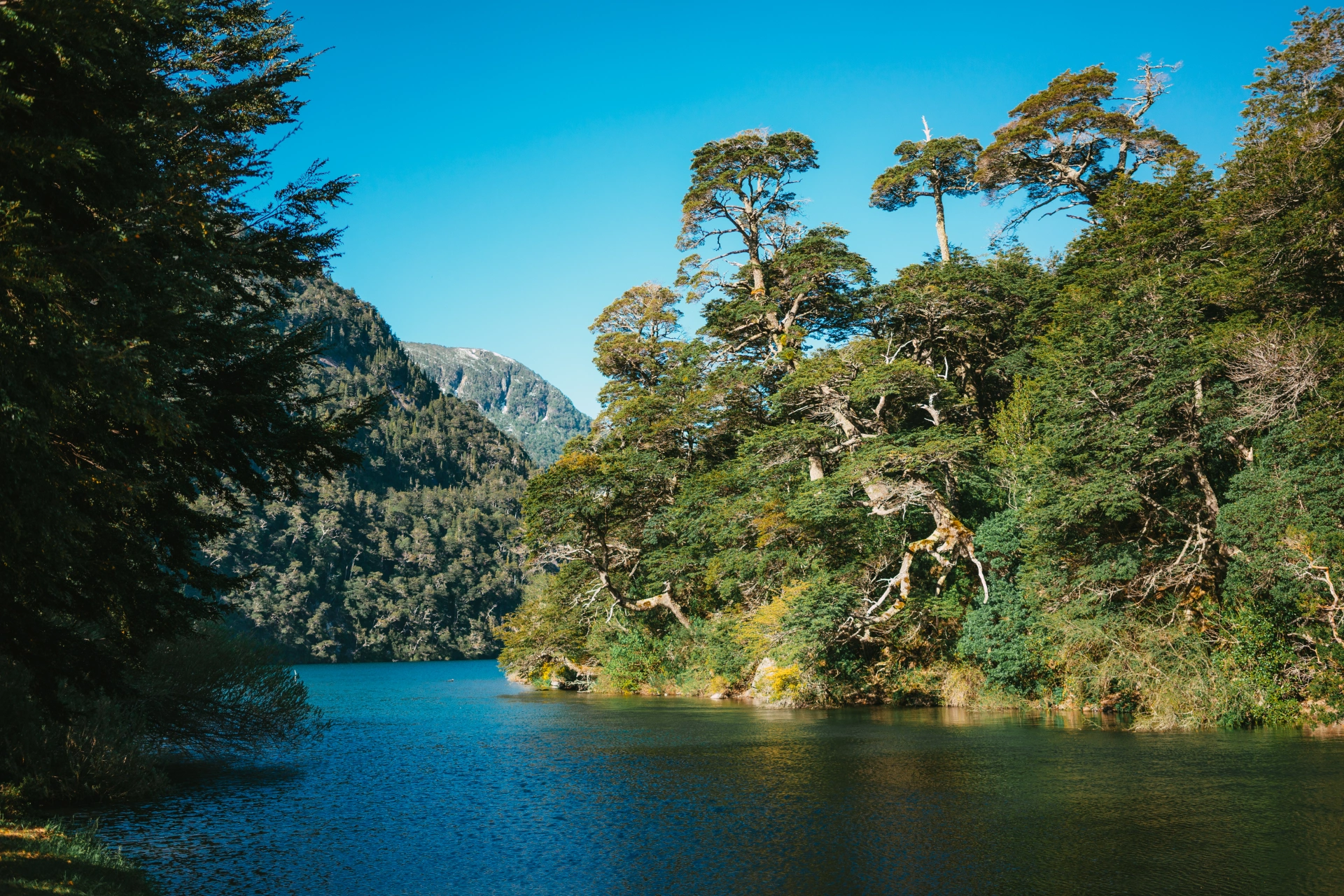
The reason is the rain: this is one of the wettest spots in the whole of Argentina. All that rain produces a damp, green forest, a cold rainforest ecosystem where native trees such as the coihue thrive alongside the kind of climbing vines we all associate with the tropics and would never expect to find this far south. Between the isolation, the beauty of the rainforest and the scenery all around it, Puerto Blest is a genuinely beautiful place. Spectacular, in fact.
Getting to and visiting Puerto Blest
Since a boat is the only way to reach Puerto Blest, the easiest option is an organised tour with one of the many agencies that run them from Bariloche. You can book online in advance, but you can also do it in situ at agencies in town, or even at your hotel.
You can also go independently, but in that case you’ll need to get yourself to Puerto Pañuelo, which is where the ferries to Puerto Blest leave from. Puerto Pañuelo is west of Bariloche, about 30 minutes by car, on the Llao Llao peninsula and right next to the luxury resort of the same name. There’s a car park where you can leave the car for the day, but it isn’t free and it fills up fast in high season, so you’ll need an early start. That’s one of the reasons it’s better to come on an organised tour: they pick you up in Bariloche, take you to Puerto Pañuelo and sort out the ferry for you.
The one thing the tours don’t include is the entrance fee for Nahuel Huapi National Park (current prices here). The guides give you half an hour to buy your ticket, and at the agreed time we all meet up again to set sail.
Out on Lake Nahuel Huapi
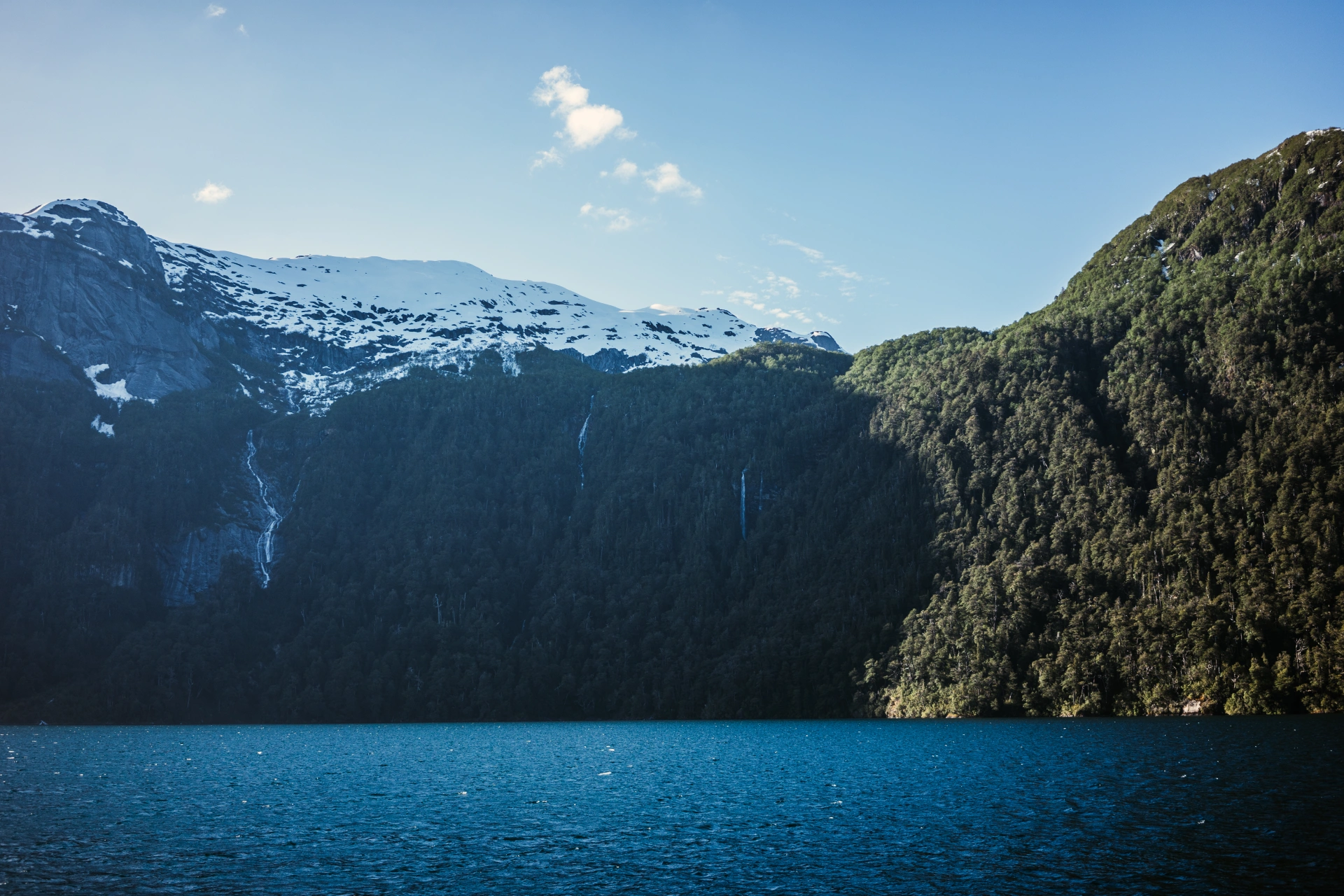
The boat trip along the Blest arm of Nahuel Huapi takes about an hour and is worth the price of the tour on its own. It was a radiant spring day, the cold tempered by the warmth of the sun, and it gave us crisp, clear views of the peaks, still capped with snow, set against the deep green of the forest. At this time of year the scenery is a real spectacle, a feast for the eyes and for the soul.
Not long into the trip comes one of its key moments: Centinela islet, a small scrap of land in the middle of the lake where the remains of Perito Moreno lie. The ferry slows down and, over the loudspeakers, the guides tell us more about why Perito Moreno matters. He was a key figure in the exploration and conservation of Patagonia, and also in the dispute between Argentina and Chile over where to draw the border between the two countries, along the line the Andes trace from north to south. When he died in 1919, Perito Moreno was buried in Recoleta Cemetery in Buenos Aires, but in 1944 his remains were moved here as a mark of respect for the love he always had for Nahuel Huapi.
A while later we reach Puerto Cántaros and go ashore. The walk from here is short but steep, made far easier by a wooden staircase that winds up through the vegetation to the viewpoint over Los Cántaros waterfall. The falls are fed by the lake of the same name a little further up, which of course we visit too, although both the waterfall and the lake feel like rather small beer next to what we’ve seen so far. A curious detail: near Lake Cántaros stands an alerce tree more than 1,500 years old, which naturally is also part of the visit.
Taking it easy around the lodge
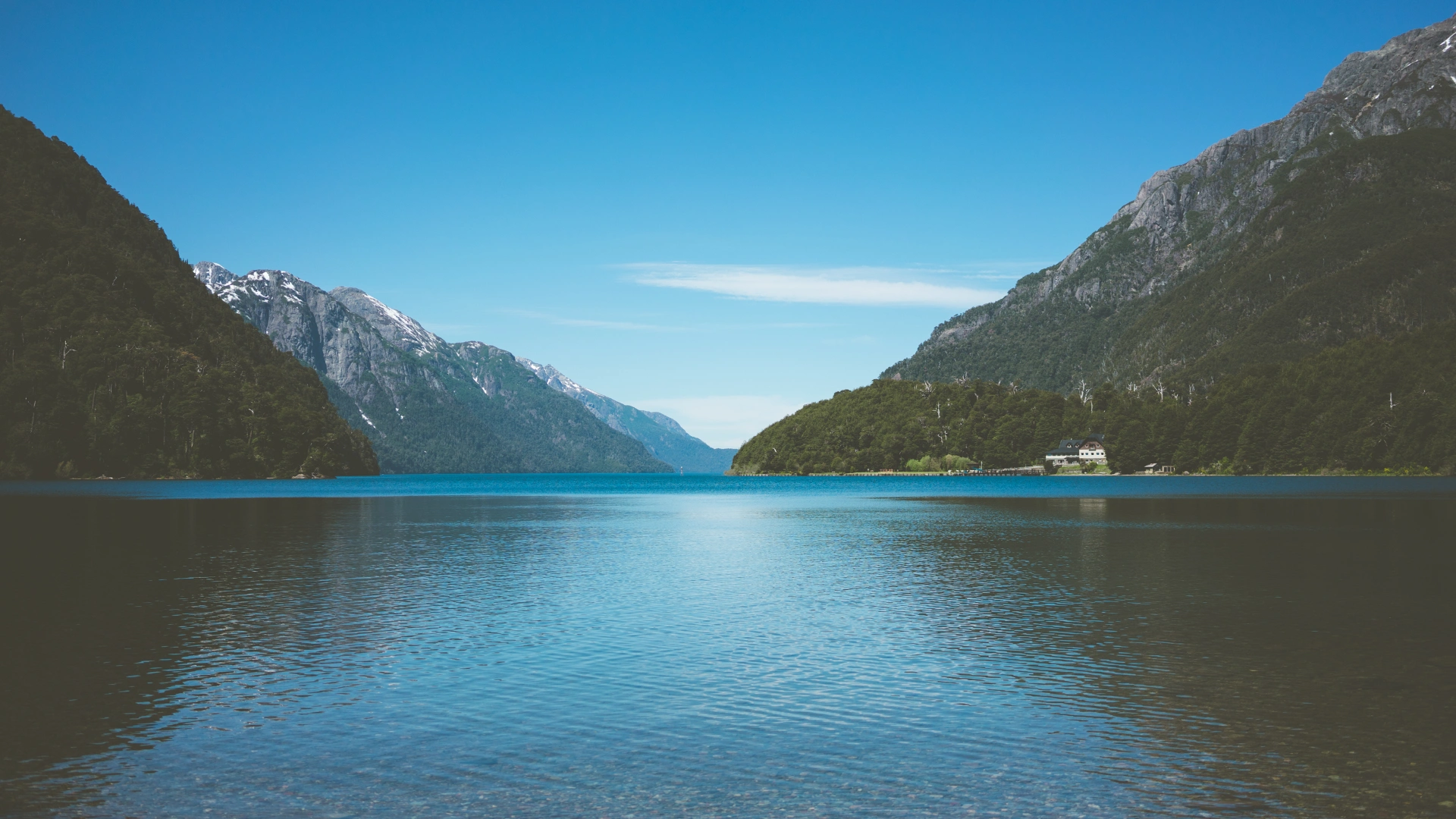
After the waterfall and Lake Cántaros, the guides give us two options: go back to the ferry, which will now take us on to Puerto Blest at last, or cover that stretch on foot, following the shore of this part of the lake. I go for the second, and it’s the one I’d recommend, especially if you want a quieter, more solitary walk. The path winds through forest, past rivers and little beaches, in lovely surroundings that tempt you to stop for photos more than once. Sadly, there isn’t much time to spare before you’re due at the lodge, so the stops have to be brief.
Down by the jetty and the Puerto Blest lodge, the landscape opens out into a broad, pastoral meadow that soon lures you into lying on the grass, resting, unwinding and feeding your soul on the beauty around you. The lodge was completely renovated in 2015 and has modern, comfortable rooms and facilities. Surprisingly, it isn’t as expensive as a location like this might suggest, so it’s definitely worth considering if you fancy a romantic night in the heart of Patagonia.
Inside the lodge there’s also a small café serving basic meals to people on the tours (overnight guests get the restaurant, which is much better), so you can pick up something to eat if you forgot to bring a packed lunch.
Anyone who booked the extension to Lake Frías doesn’t get as long to enjoy the peace and quiet: after barely an hour, a bus takes that group to another jetty, where they set off across the lake. Its main draw is its milky turquoise water, which owes its colour to the heavy load of mineral sediment washed down from the nearby glacier on Mount Tronador, somewhere I’d visited a few days earlier. Lake Frías also has a border post, open to travellers making the legendary Andean crossing between Chile and Argentina.
A couple of hours later we all gather again and board the ferry back to Puerto Pañuelo. Once back, there’s still time for a stroll around the Llao Llao peninsula. The famous Llao Llao hotel is another option for the night: pricier, but also more luxurious, and the setting, though less remote, is still something out of a dream.


Comments
No comments yet. Will you start?