

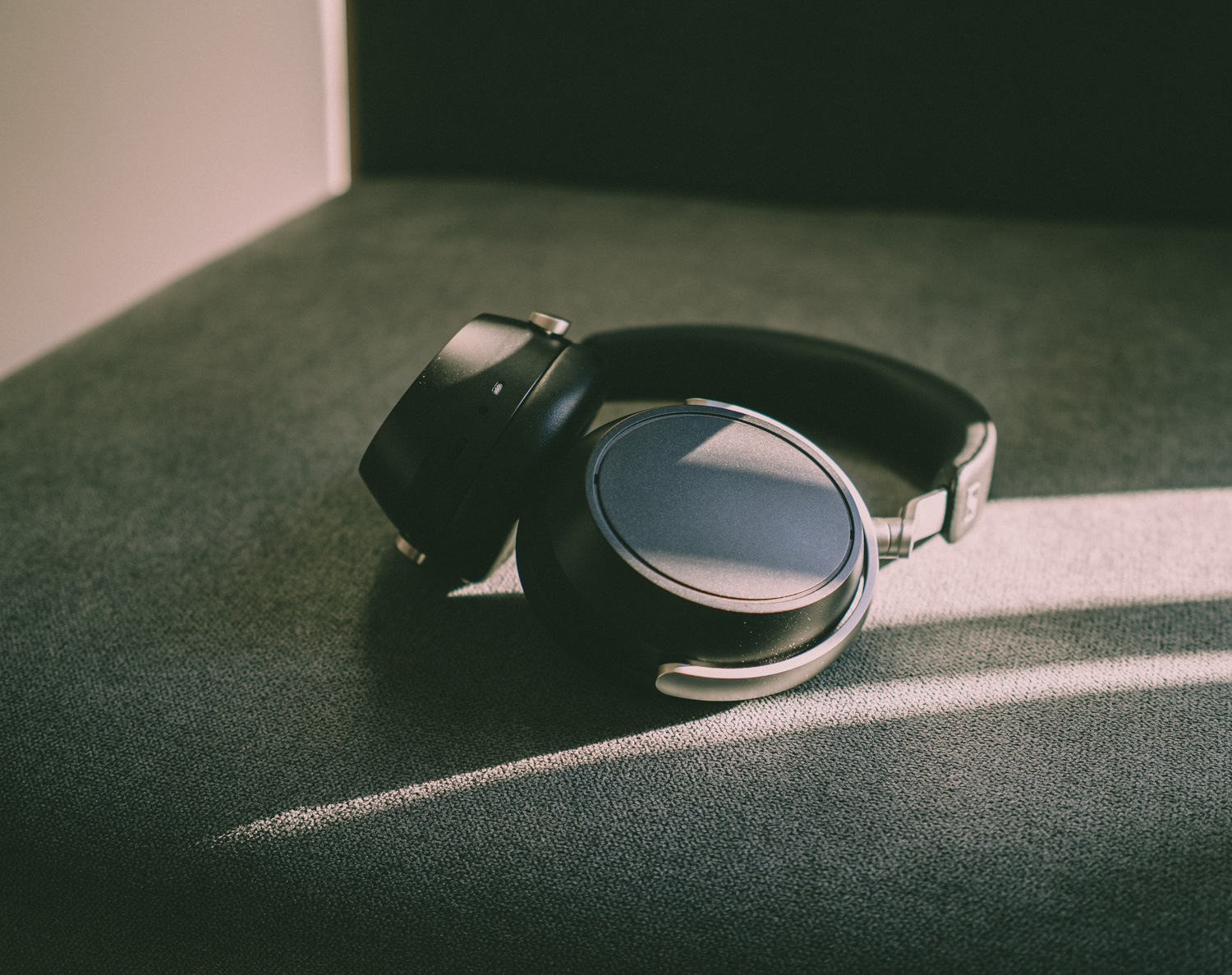
Wireless headphones have become one of every geek’s favourite gadgets, thanks to their comfort and the freedom they give you. If they’ve had one besetting sin, though, it’s that they have generally sounded worse than their wired equivalents.
A few models, such as the Focal Bathys, already buck that trend, but the Sennheiser HDB 630 are one of the most interesting attempts so far. The idea is to bring audiophile sound to wireless headphones with active noise cancellation, and to do it at a relatively reasonable price.
It’s Sennheiser’s gamble and, in my opinion, it has paid off resoundingly.
The gurus are right: the sound quality is extraordinary
The big selling point of the Sennheiser HDB 630 is that they’re wireless headphones for audiophiles. And on that front they more than live up to expectations: the sound quality is exceptional.
Put simply, they’re the best-sounding wireless noise-cancelling headphones I’ve ever tried. We’ll get to other areas where you can do better elsewhere, but when it comes to sound quality, these Sennheisers are my favourites.
The HDB 630 share some of the sonic virtues of the brand’s legendary HD 6XX series: natural mids, a pleasant warmth, and voices and instruments reproduced with rich timbre and texture. The result is a very enjoyable presentation, especially over long listening sessions. On top of that, there’s more sub-bass extension than you get from models such as the HD 650 or the HD 660S2, thanks to the tuning and the closed-back design. So what you have is a pair of headphones that can go toe to toe with some of Sennheiser’s own benchmark open-back models, but with a fuller low-end response.
Admittedly, the HDB 630 put more energy into the 3–5 kHz region, then gradually roll off the upper treble. Compared with the HD 660S2, that translates into a greater sense of attack and definition, vocals that sit slightly further forward and sound more articulate, and more obvious texture in stringed instruments and subtle sounds, such as fingers sliding over strings. The result is a livelier, more energetic presentation that I personally find more satisfying, although that extra upper-midrange presence may feel a little less relaxed to some listeners over long sessions.
Either way, calling this high-fidelity sound is no overstatement. The response is fairly balanced, with no artificial hype and none of the heavily coloured character you find in so many consumer headphones. The tuning has quite a lot in common with the famous Harman target curve. In other words, we’re firmly in audiophile territory. That may also come as a surprise, and not necessarily a pleasant one, to anyone used to the typical V-shaped curve of so many popular wireless headphones, where the bass and treble are pushed so hard that they end up crowding out the mids.
In fact, some listeners may be struck by what seems like a lack of punch in the bass. Even so, I’d venture that a few hours of acclimatisation is all it takes to get used to the stock sound of these headphones. Because although the bass here isn’t out to wow you with one almighty thump, it does have remarkable depth and extension.
It’s especially obvious with drums, percussion and bass, where the lowest notes have a weight and reach that make the instruments feel more real and physically present. It’s less bass that hits you than bass you feel, stretching away into the depths: enveloping, deep, and giving the music tremendous body.
Another big plus is that you can tailor the sound with enormous freedom, thanks to the five-band parametric EQ. Unlike the usual graphic equalisers, which restrict you to preset frequencies, here you can set the centre frequency, the gain and the filter type of each band far more precisely. That gives you considerably more room to tweak. To be honest, though, I found the out-of-the-box sound so good that I’ve barely touched the EQ since day one.
Another handy option in Sennheiser’s Smart Control app is Crossfeed. This feature partly blends the left and right channels to narrow the stereo separation and bring the experience closer to listening through speakers. It can be particularly pleasant with certain older recordings, where channel separation was overdone and some instruments or voices ended up practically stranded on one side. Still, as I’ve said, the HDB 630’s factory tuning strikes me as so well judged that I haven’t felt much urge to play with these settings either.
And they can sound even better: BTD700 and USB-C
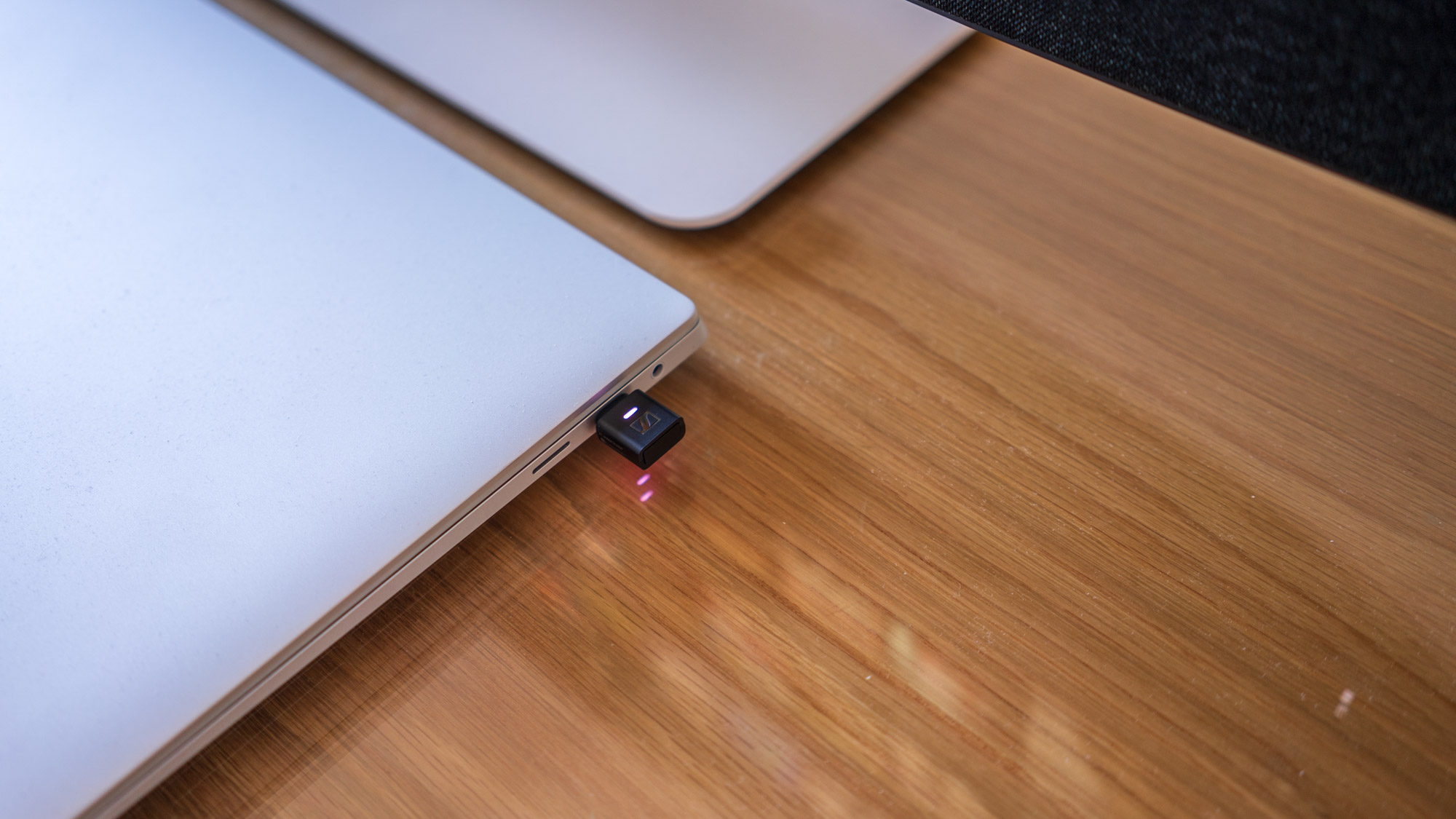
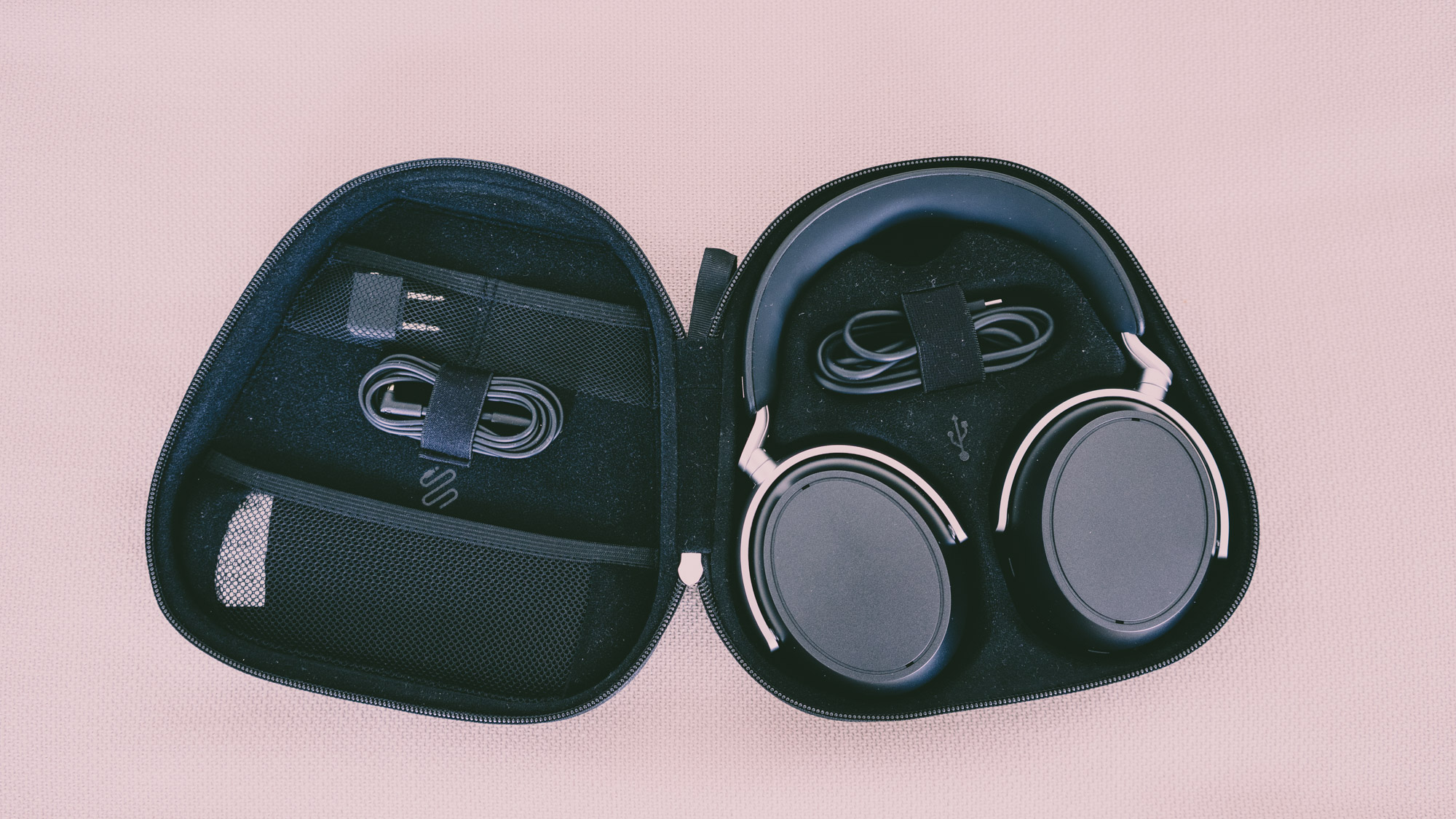
Another strong point of the HDB 630 is the little BTD700 dongle that comes in the box. It’s a tiny USB-C transmitter that sends high-resolution wireless audio to the headphones. So far I’ve confirmed that it transmits using aptX Adaptive, although it’s supposedly also compatible with aptX Lossless. Either way, the difference between the two codecs is practically impossible to hear under normal listening conditions.
What’s really useful is that it lets me listen from my Windows laptop using higher-quality codecs, which wouldn’t be possible without this accessory because of Windows’ limited Bluetooth support. I have to say the difference compared with SBC or AAC is noticeable, although latency goes up too, which is worth bearing in mind if you plan to use the headphones for films or gaming.
If you want to keep latency to a minimum and get higher-quality digital audio, the alternative is the USB-C connection. It’s the only physical connection the HDB 630 have, as there’s no aux input and they can’t be used passively. Plugged in over USB-C, whether to a PC or a phone, they accept a digital signal of up to 24-bit/96 kHz, which makes this the best connection option available in terms of pure sound quality.
This connection does have one small drawback, though: it keeps the headphones on mains power and charges the battery while you’re using them. Not exactly ideal if you want to look after the battery in the long run and avoid keeping it permanently plugged into the charger.
In any case, these aren’t headphones designed to be used this way day to day. USB-C is mainly a useful fallback for when Bluetooth isn’t an option or you want to sidestep its possible limitations.
Fortunately, battery life isn’t much of a worry either. The battery lasts close to 60 hours, an extraordinary figure that makes them perfect companions for long trips and whole days of listening.
The catch: noise cancelling that could be better and a few small bugs still awaiting a fix
Nothing’s perfect, so it’s time for the less positive side. What’s bothered me most over these months of use is the odd connectivity problem. Every now and then I’ve had brief audio dropouts, especially when there were lots of Bluetooth devices nearby or my laptop was juggling a lot of tasks at once. All of that seemed to affect the stability of the wireless connection, particularly when I was using the BTD700.
The touch controls for adjusting the volume or skipping tracks don’t work as well as they should, either. It’s not unusual for the gestures to stop responding properly after many hours of listening. The fix is to go into the Sennheiser app and reset the touch control feature, but that’s clearly not an acceptable long-term solution. It’s a bug that, in my experience at least, Sennheiser still hasn’t managed to squash with its firmware updates.
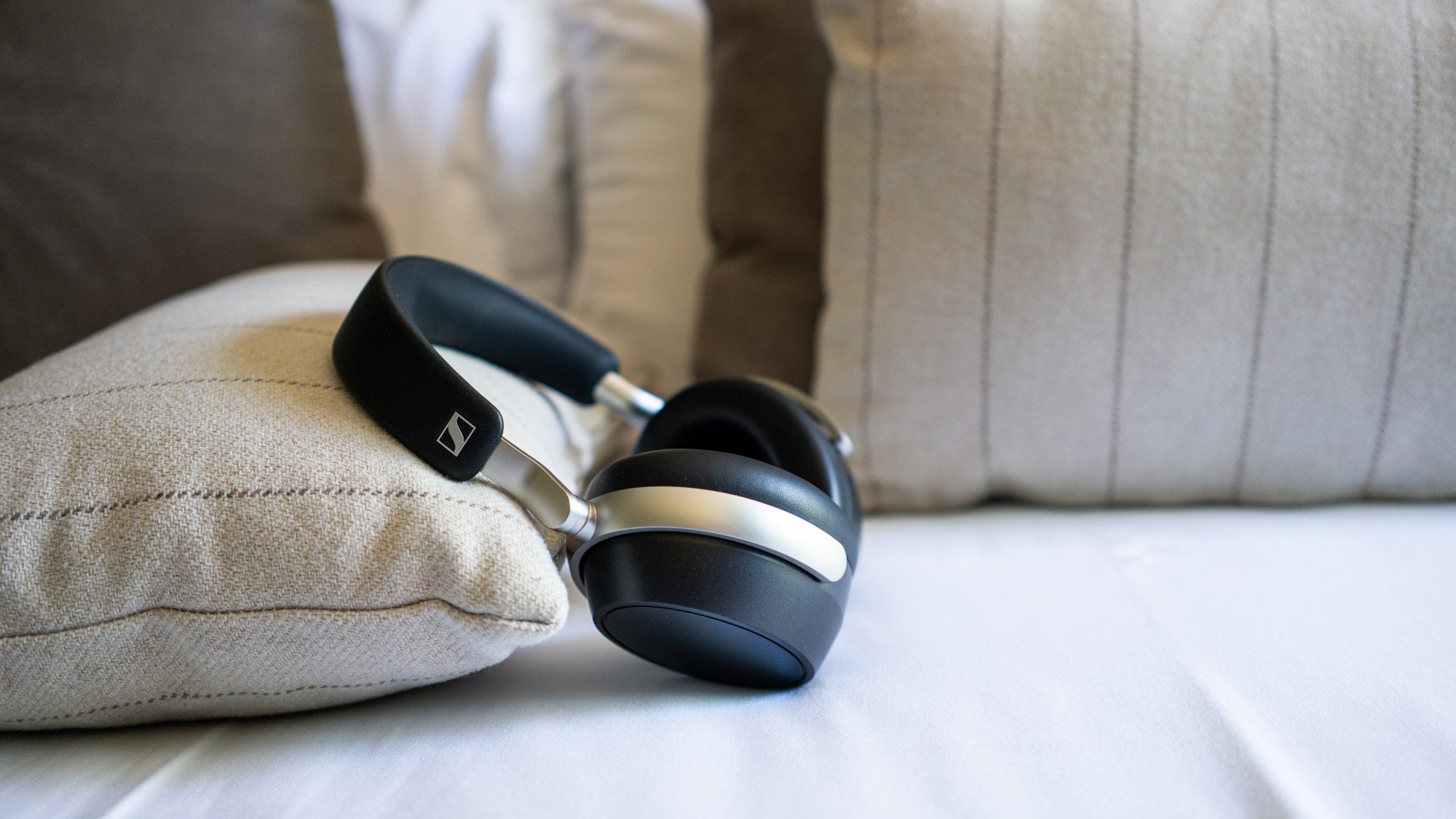
Another criticism levelled at the HDB 630 is that their active noise cancellation isn’t up to the standard of Sony’s or Bose’s. And sure enough, having owned a pair of Sony WH-1000XM3s, I can confirm that the Sennheisers come off second best here.
That doesn’t mean they’re bad at shutting out the outside world. Their ANC does a reasonably good job in noisy environments and lets you enjoy your music without too many distractions, but it’s a notch below what Sony’s and Bose’s most advanced models offer. If noise cancelling is one of your priorities, there are better options out there.
The design: perhaps the most divisive part
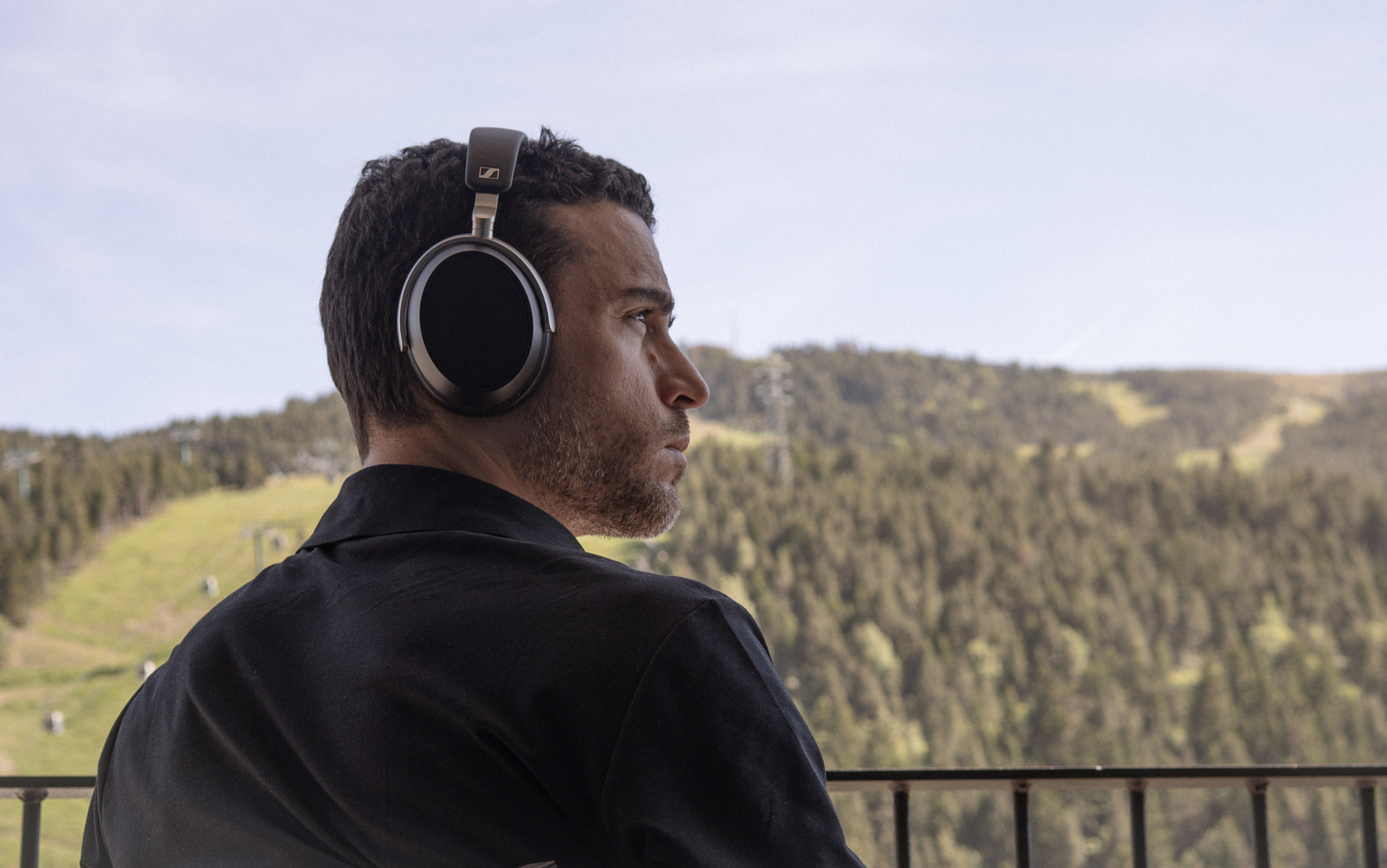
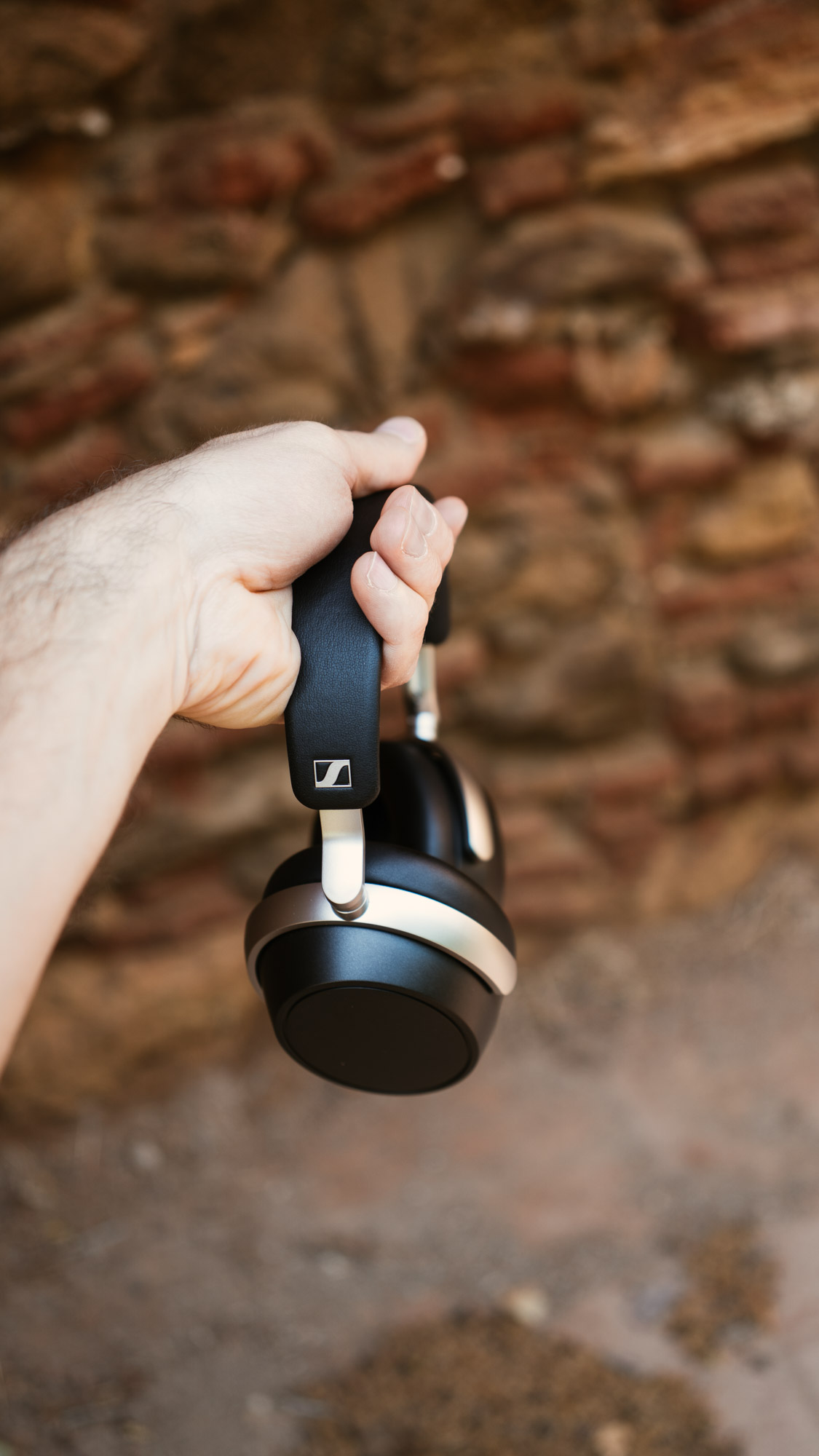
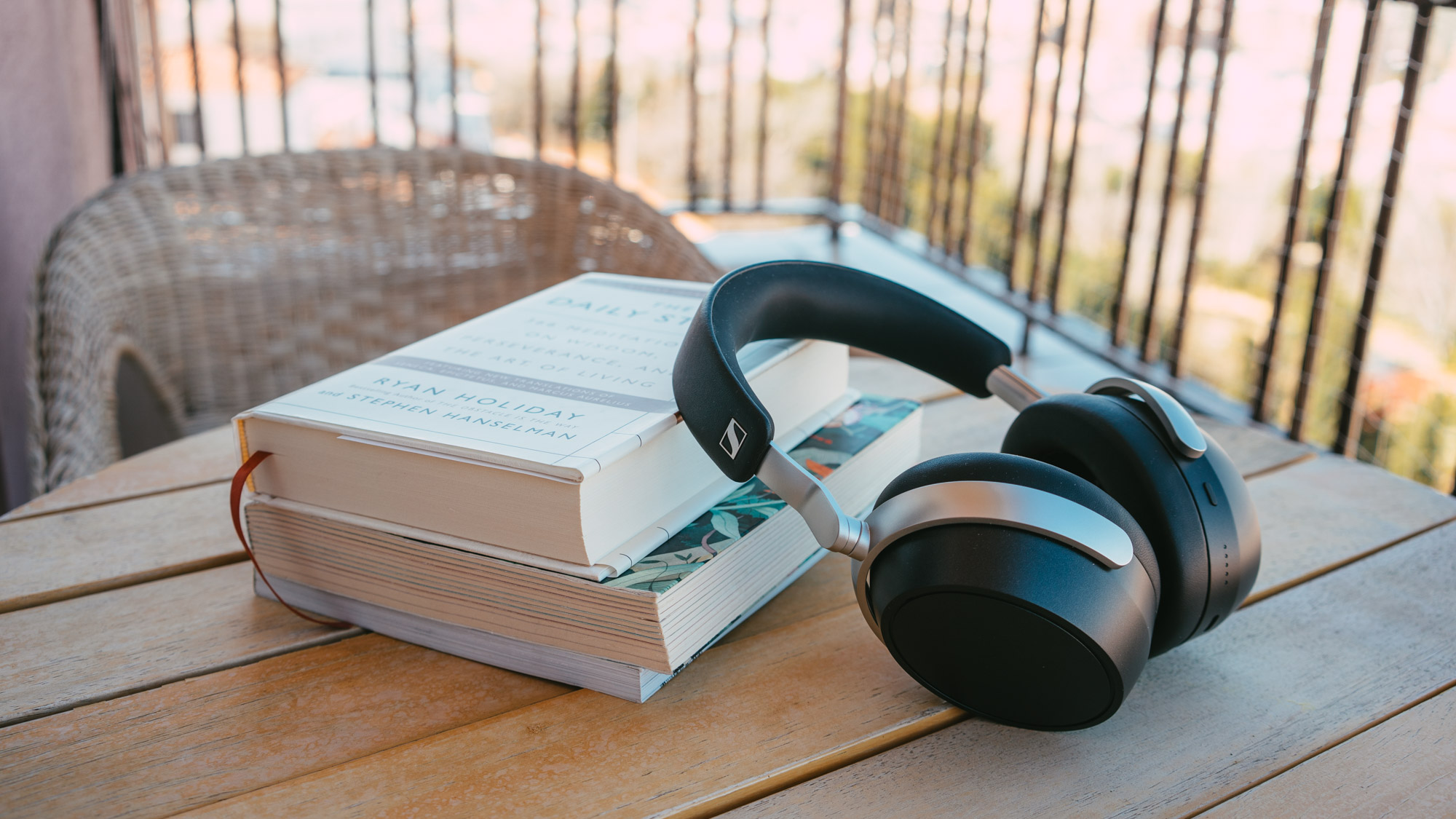
One of the most common complaints about the HDB 630 concerns their design and, above all, the liberal use of plastic. They look fairly conventional and very much like the brand’s own Momentum 4. They don’t convey the sense of exclusivity and build quality you’d expect from headphones at this price, which can be disappointing when you consider that you’re paying for a high-end product.
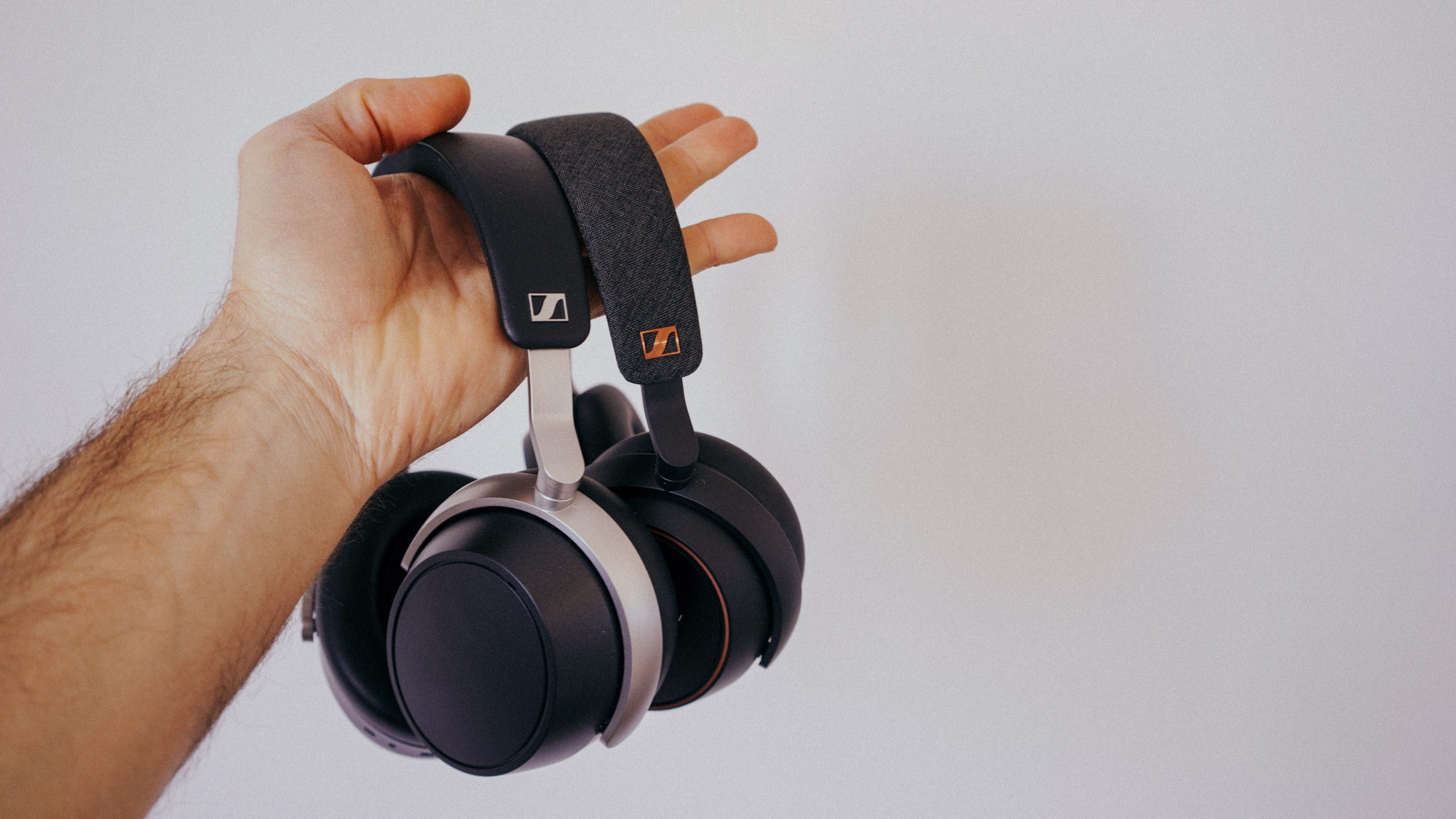
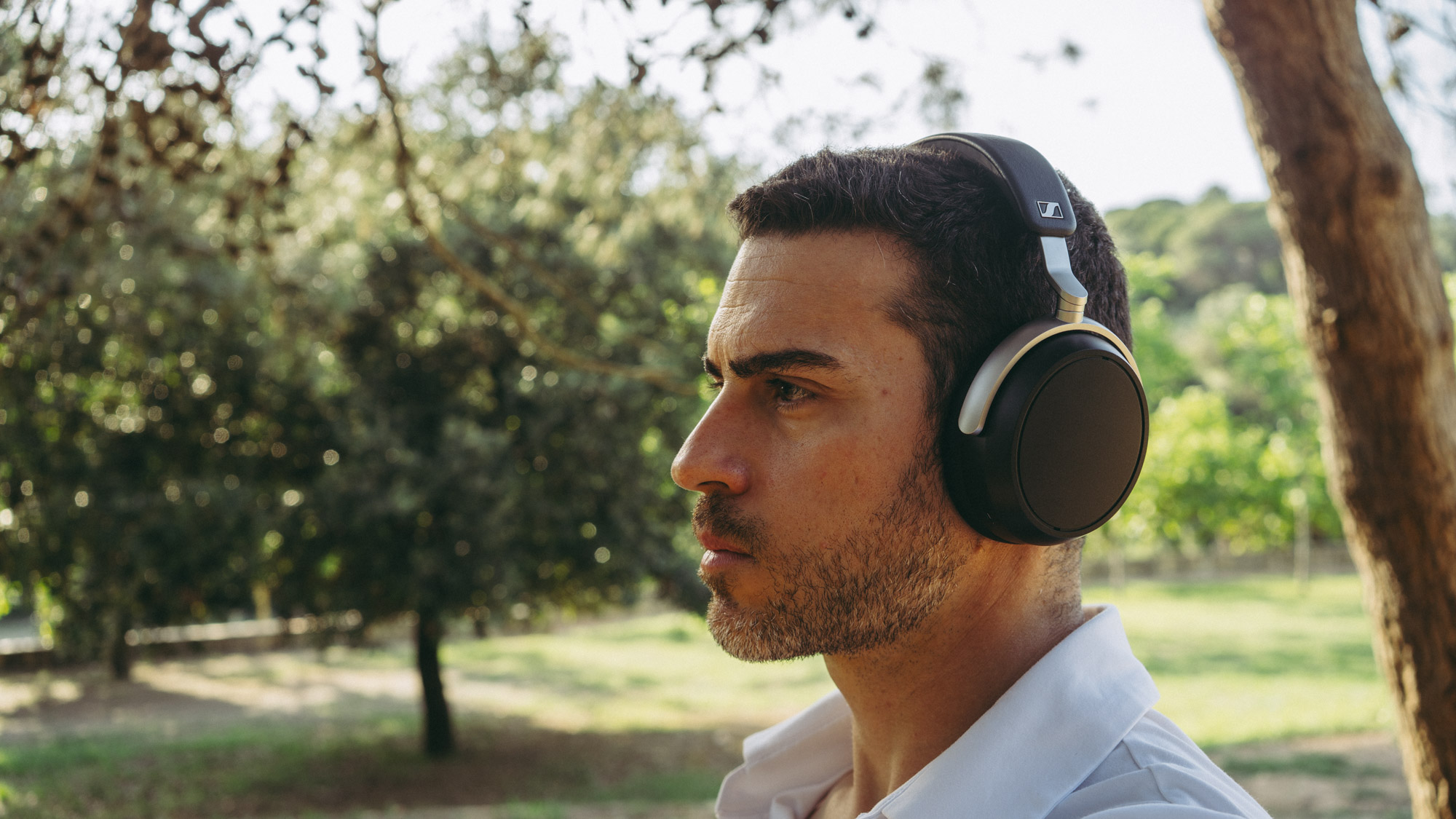
That said, there’s nothing particularly wrong with the design beyond a certain lack of personality. These are simple, functional headphones with nothing that draws much attention to itself. As for comfort, you notice some side pressure (clamp force) for the first few weeks, though it eases off with use until it’s quite bearable.
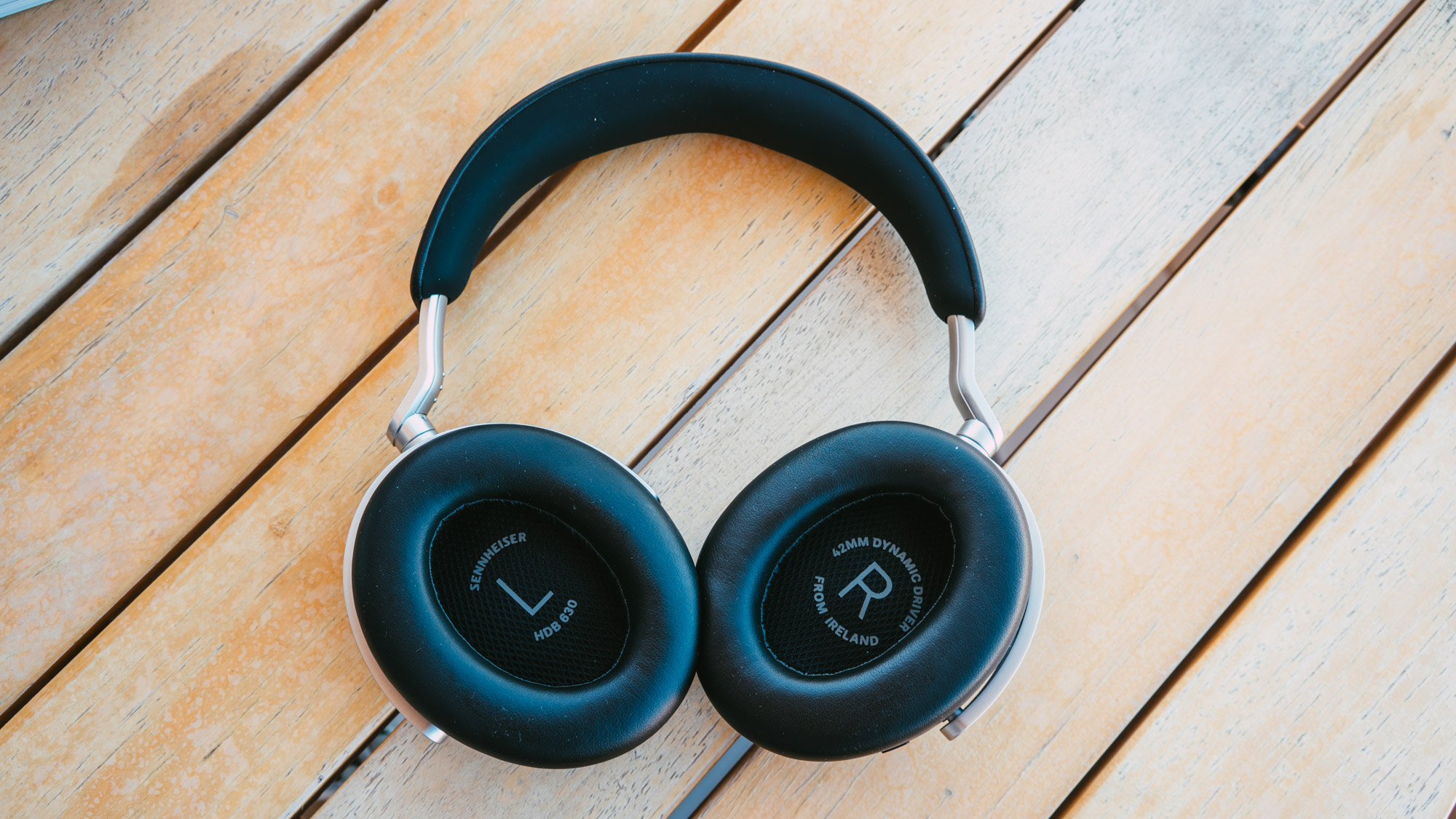
What bothers me more is how much heat builds up in the faux-leather ear pads. The combination of a closed-back design and not very breathable materials means that, especially on hot days and in summer, your ears end up sweating and the headphones become uncomfortable.
All of this makes me think the HDB 630 aren’t necessarily the most versatile headphones to have with you at all times. They’re perfectly fine for the daily commute, walks or trips, but I see them more as headphones to enjoy at your leisure at home, wherever you’re staying on holiday or on the bus or metro to work, than as a go-anywhere device built to withstand heavy use and whatever conditions you throw at it. These aren’t headphones to ‘knock about’ but ones to enjoy with a bit of care.
Verdict
«The HDB 630 are the first wireless ANC headphones with sound quality worthy of wired audiophile headphones, but they may not be the tireless travel companion so much as versatile headphones for home and short journeys.»
Sennheiser HDB 630
- Sound 9.0 Essential
- Design 6.5 Good
- Features 9.0 Essential
- Value for money 7.5 Very good
Pros
- Truly spectacular stock sound quality, light years ahead of ANC headphones from Sony, Bose or Bowers & Wilkins.
- Extremely comprehensive app, with a superb 5-band parametric EQ.
- The BTD 700 stick is a fantastic extra.
Cons
- The design doesn't feel premium enough for what you pay.
- The ear pads get very hot.
- Some bugs with the touch gestures and the connection.



Comments
No comments yet. Will you start?